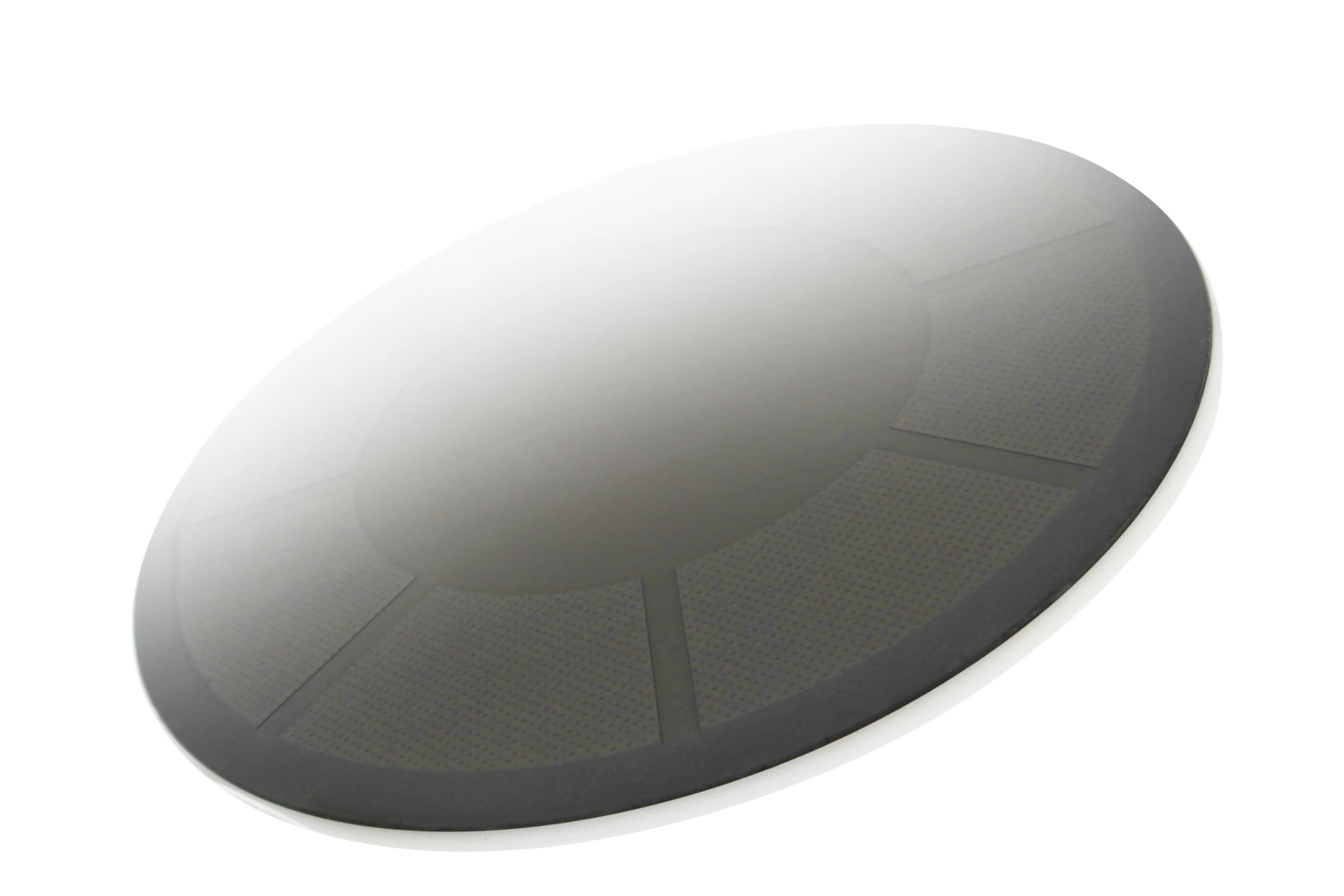
Conditioning the pad surface
In chemical mechanical polishing, the diamond conditioner works on the polishing pad. EHWA presents BSL and CVD designs alongside ring, bar and other geometries. Selection connects the required pad structure with the slurry, wafer material and process target.
The sources describe sustained pad cut rate, consistent pad roughness, controlled contact conditions and extended useful tool life as important features. Appropriate conditioning can help prevent pad glazing or loading and support stable polishing performance over the useful life of the pad.
Compare the tool concepts
| Design | Technical feature | Process relationship |
|---|---|---|
| BSL diamond conditioner | Mechanical and chemical diamond bonding | Diamond retention and sustained pad removal |
| CVD conditioner | Diamond-coated tips with engineered geometry | Contact area, pad roughness and topography |
| Ring or bar design | Matched contact geometry | Large or specialised conditioning areas |
| Custom tip arrangement | Tip size, count, height and distribution | Matching the pad and polishing task |
Diamond retention, tip geometry and benefits
The source describes BSL designs through the brazing process and the bond between diamond and the surrounding metal matrix. The combined retention mechanism is intended to limit diamond pull-out and preserve the active diamond arrangement. EHWA associates this with long useful life and sustained pad removal.
For CVD designs, engineered tips influence the contact area with the pad. EHWA describes uniform tip height, limited large pad debris and control of pad roughness and wafer topography. These features can support defect, dishing and erosion control. Chemical resistance is considered within the actual pad and slurry system rather than as an unrestricted property.
PCR and MRR are different measurements: PCR is pad cut rate. MRR is the material removal rate on the wafer. A higher PCR is therefore not automatically the best result. Pad consumption, wafer quality and process stability are assessed together when choosing a conditioner.
Source example: Diamond retention in the BSL test
EHWA presents a loading test by conditioning an aluminium platen containing slots. The source records diamond pull-out:
| Tool in the source test | After 5-minute test | After 30-minute test | Reported total |
|---|---|---|---|
| Comparison disk A, sintered | 2 | 2 | 4 |
| Comparison disk B, brazed | 2 | 3 | 5 |
| EHWA BSL disk | 0 | 0 | 0 |
Source: BSL CMP document, PDF page 4, visually checked. This is a diamond retention test on an aluminium platen, not a wafer defect measurement or a universal failure guarantee. The figures remain linked to this test arrangement.
Match your conditioning process
Provide the pad, slurry, wafer material, equipment and mounting details. Existing data on PCR, MRR, pad roughness, defects and tool changes support selection. The target may be a more consistent pad condition, different topography or longer useful tool life. Begin with the available process information and identify the remaining requirements in the technical discussion.
EHWA Europe: info@ehwadia.de · +49 6173 997780
Sources and original documents
- EHWA: CMP Pad Conditioner – CVD, BSL, Ring & Pellets · PDF pages 1–17.
- EHWA: BSL CMP Conditioner Technology · PDF pages 1–7; loading test: page 4.
- EHWA: CVD CMP Conditioner Technology · PDF pages 1–7.
- EHWA: CMP Ring & Pellets · PDF pages 1–7.